
General Santos City, Philippines — A powerful 7.8 magnitude earthquake struck off Mindanao on June 8, 2026, devastating General Santos City and nearby town in Sarangani province, triggering casualty reports, building collapses, and widespread displacement. The quake, centered offshore near Maasim, prompted tsunami alerts and mass evacuation efforts across multiple provinces, with authorities declaring a state of calamity in GenSan as rescue and recovery operations continued.
Key facts
Deaths and injuries: Early official figures reported dozens of fatalities and hundreds injured as aftershocks continued across the region. Emergency services and volunteers mobilized to conduct search-and-rescue and deliver aid.
Impacts in GenSan and Glan: Numerous buildings were reported damaged or destroyed, including commercial centers and residential structures, with GenSan’s airport temporarily shut down as operations were re-routed.
Aftershocks and tsunami risk: The event generated more than 130 aftershocks and triggered tsunami warnings that were lifted later the same day.
Recovery and outlook: A month after the quake, communities began rebuilding efforts, with NGOs and local governments coordinating shelter, food, and housing support.
Expert and community perspectives
Infrastructure resilience: Engineers and builders emphasized the importance of quake-resistant construction methods, including reinforced walls and energy-dissipating systems, to mitigate damage in aftershocks.
Public response: Local authorities urged residents to remain vigilant for aftershocks and to follow evacuation and safety protocols as restoration of utilities and services continued.
Testimonial on resilience and materials:
"Our four house project finished in 2024 December survived the Earthquake without any issues, there are no visible cracks on the two buildings after the 7.8 quake. Thanks for the great product."

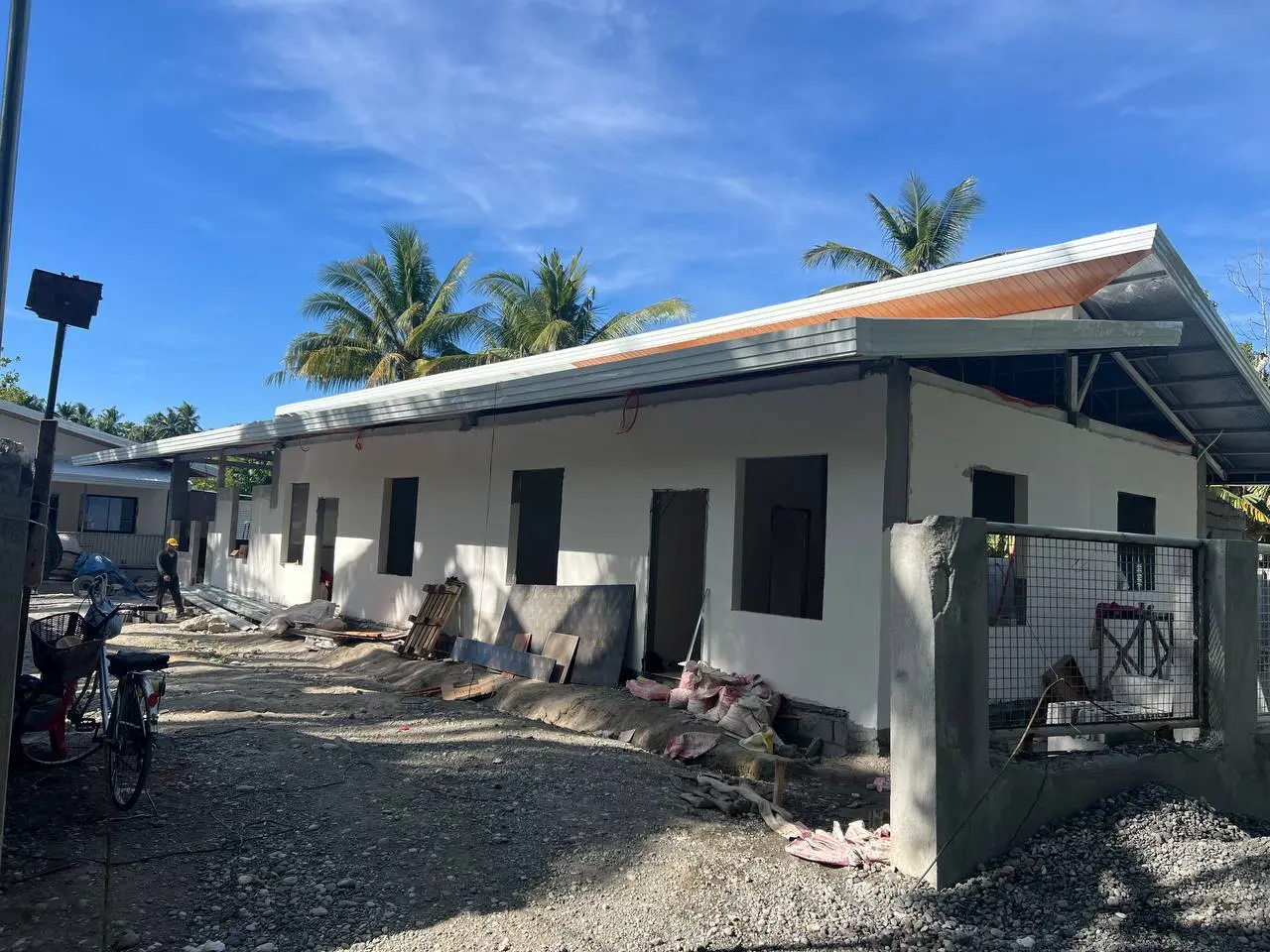
House in Gensan using AAC blocks
Earthquake preparedness and AAC wall systems
Preparedness measures: Communities and builders are prioritizing hazard assessments, emergency planning, and drills to improve readiness for future events.
AAC wall system benefits: Experts highlight that Autoclaved Aerated Concrete (AAC) wall systems offer lightweight, strong, and thermally efficient performance, with potential advantages in rapid reconstruction and safer, more resilient housing in quake-prone areas.
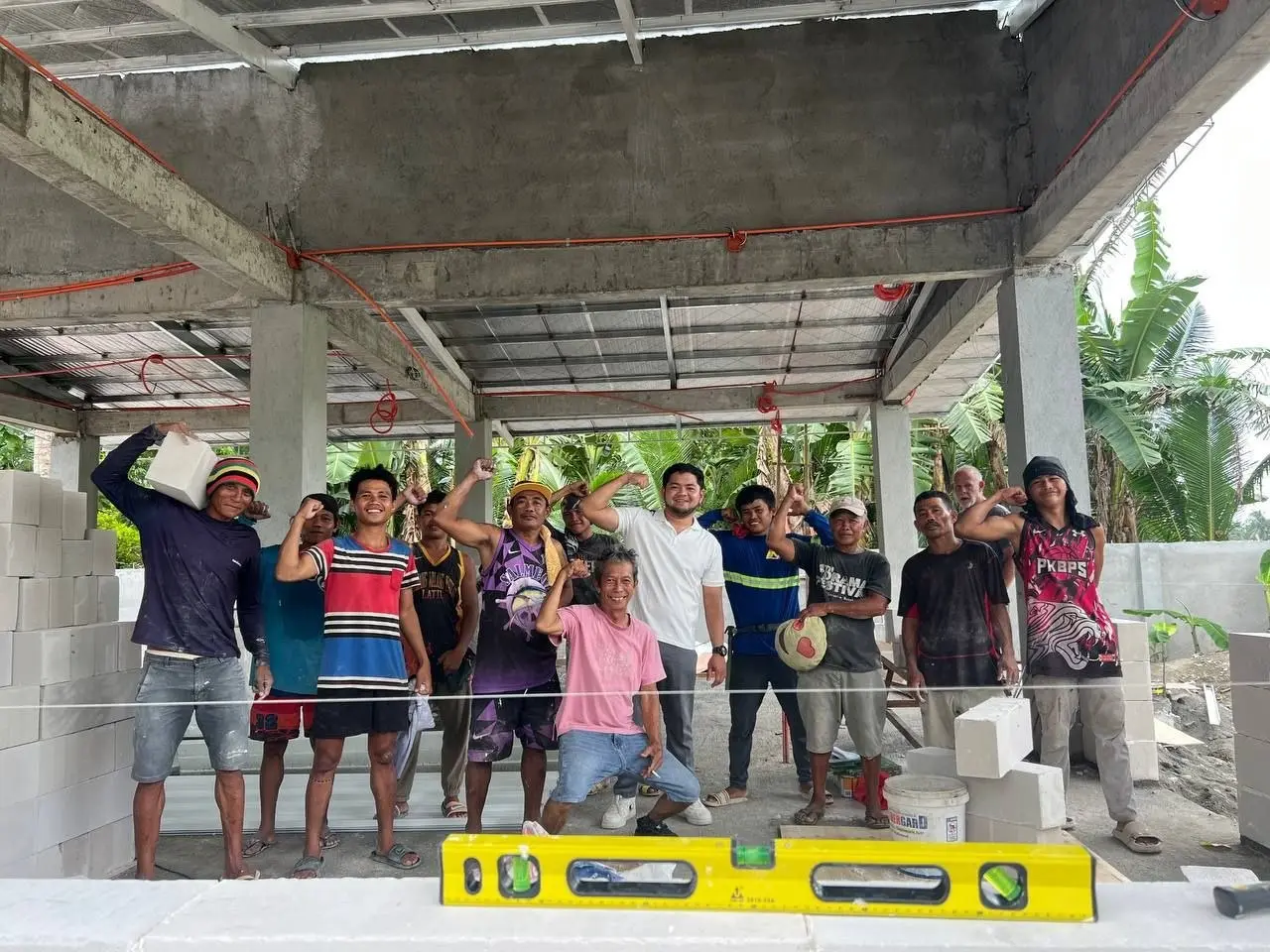
Masonry training on installation of Blocktec AAC Blocks in General Santos City
Sources:
Reuters: “Powerful Philippine quake leaves at least 32 feared dead…” (June 8, 2026) — casualty figures, damage, and emergency response.reuters
MindaNews: “At least 11 dead, 4 missing, 142 injured in quake-stricken GenSan” (June 9, 2026) — local impact details in General Santos City.mindanews
Inquirer.net: “Hope fuels Mindanao folk to rebuild lives after quake” (July 9, 2026) — recovery efforts and community rebuilding.newsinfo.inquirer
ReliefWeb (OCHA): “Philippines: 7.8M Sarangani Earthquake Flash Update No. 1 (As of 8 June 2026)” — timing, epicenter, tsunami warnings, and initial situation report.reliefweb
NPR: “A 7.8 magnitude quake in the Philippines kills at least 32” (June 7–8, 2026) — overview of the event and impacts.npr
Wikipedia: “2026 Mindanao earthquake” — consolidated event details, including time and magnitude.
Inquirer.net Live Updates: “LIVE UPDATES: Mindanao earthquake | June 8, 2026” — real-time developments and official advisories. wikipedia
Philstar: “Buildings collapse, GenSan airport shuts after 7.8-magnitude quake” (June 8, 2026) — infrastructure damage and airport closure.inquirer
Philippine News Agency (X/Twitter): Post noting building collapse in GenSan after the quake (June 8, 2026).philstar
NewsWatch Plus: “Magnitude 7.8 quake jolts Sarangani, Gen. Santos, surrounding areas” (June 8, 2026) — PHIVOLCS report and regional impacts.