ABOUT BLOCKTEC
Speed & Power of Blocktec for Modern Construction
Build smarter with a lightweight AAC wall system engineered for faster installation, dependable performance, and more efficient project delivery.
- Faster installation
- Lightweight wall system
- Technical support

ABOUT BLOCKTEC
Speed & Power of Blocktec for Modern Construction
Build smarter with a lightweight AAC wall system engineered for faster installation, dependable performance, and more efficient project delivery.
- Faster installation
- Lightweight wall system
- Technical support


About Blocktec: Building the Future with AAC in the Philippines
Blocktec is a Philippine construction technology company founded by Mr. Isaiah Peña in 2018. We provide AAC blocks, AAC wall panels and technical solutions that help Filipino homeowners, architects, engineers, contractors and developers build faster, lighter and more efficiently.
From the beginning, our purpose has gone beyond supplying construction materials. Blocktec was established to help modernize the Philippine construction industry by making advanced wall-building technology practical, reliable and accessible.
Our goal is simple: make modern wall construction easier to understand, easier to specify and easier to execute in the Philippines.
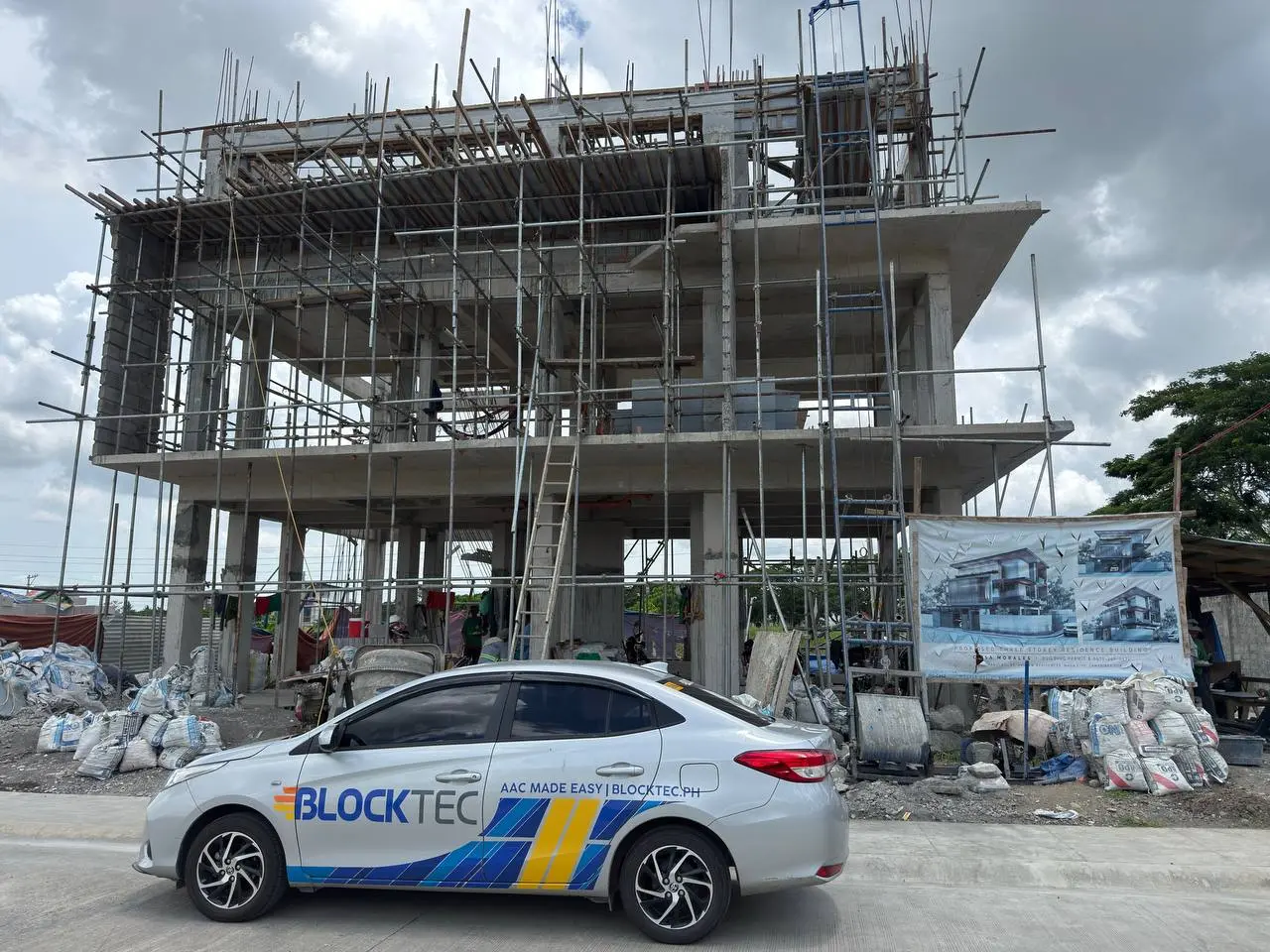
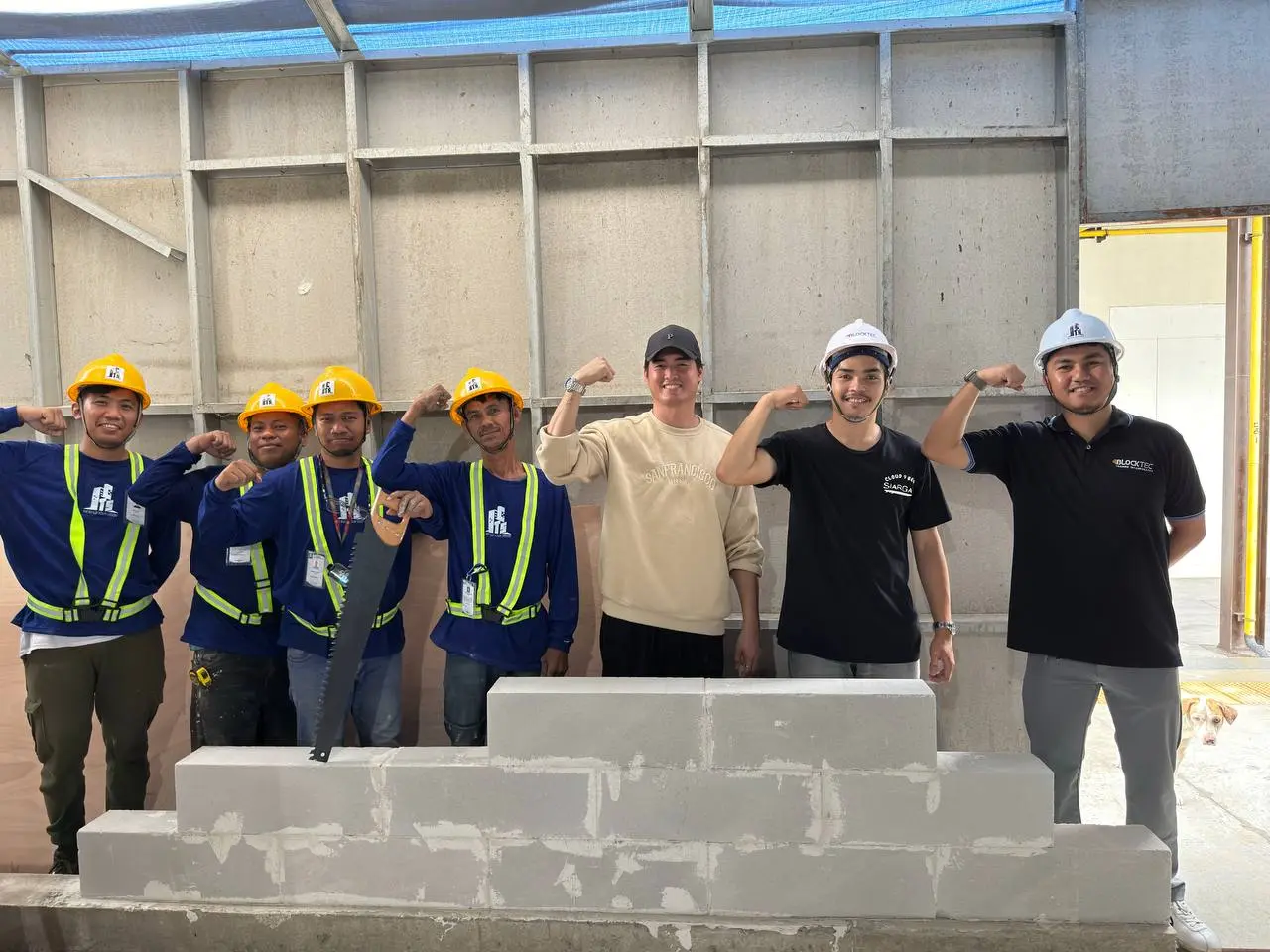
Our Story: Advancing Construction Since 2018
Mr. Isaiah Peña founded Blocktec in 2018 with a clear mission: to advance the construction industry through innovative solutions and technology.
The company introduced Filipino builders to a better way of constructing walls through autoclaved aerated concrete (AAC) - a lightweight, precision-made and high-performance building material used in construction around the world.
Today, Blocktec supports residential, commercial, institutional and industrial projects with an integrated AAC wall system. Our solutions include AAC blocks, reinforced AAC wall panels, AAC lintel beams, compatible installation materials and project-specific technical guidance.
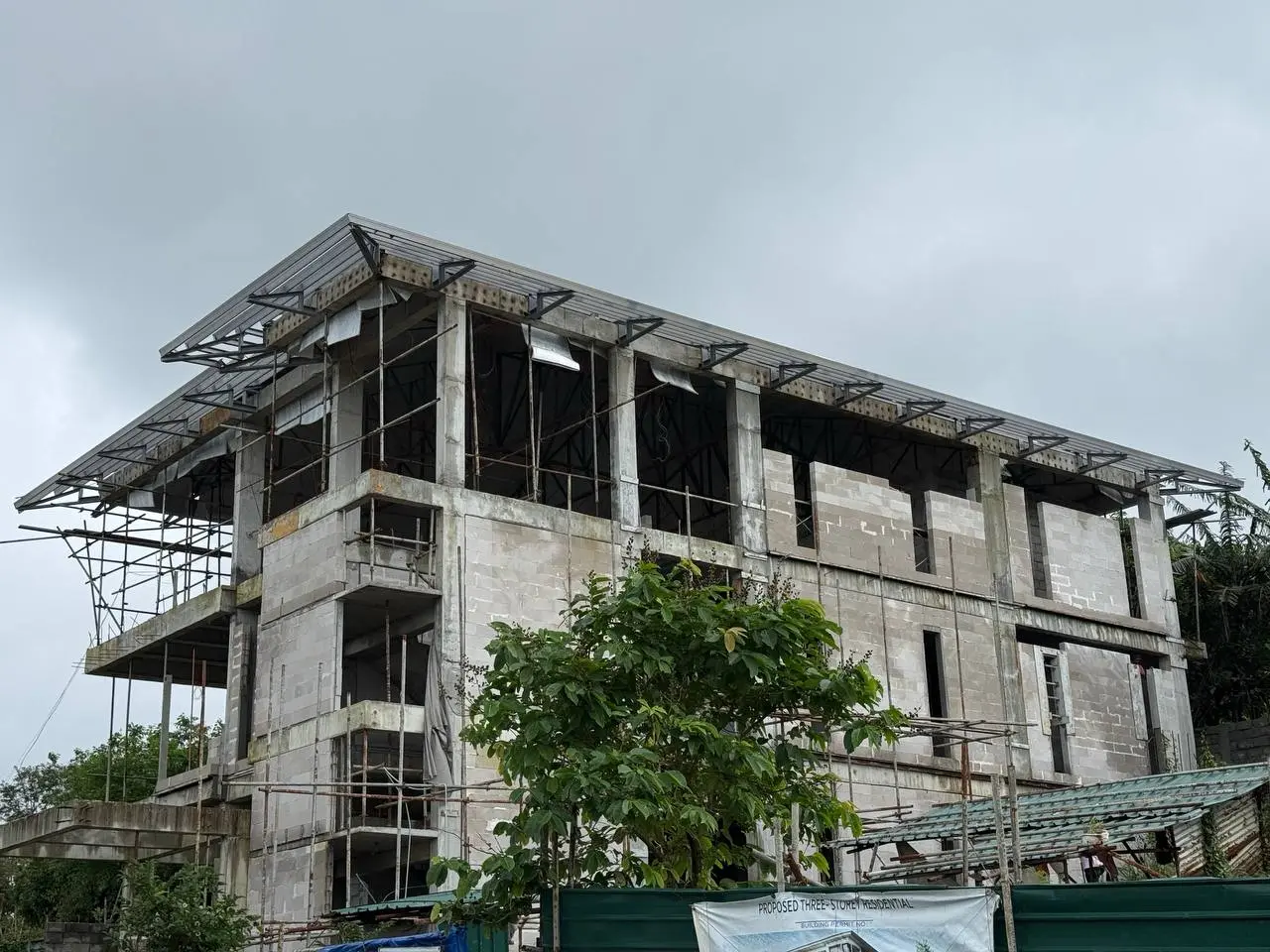
Vision '33
By 2033, every Filipino is empowered to use AAC (autoclaved aerated concrete) technology.
Vision '33 is our commitment to make AAC knowledge and technology more accessible across the country. We envision a future in which Filipino builders can confidently choose wall systems based on total project value, construction speed, structural efficiency and long-term building performance - not merely the lowest price per piece.
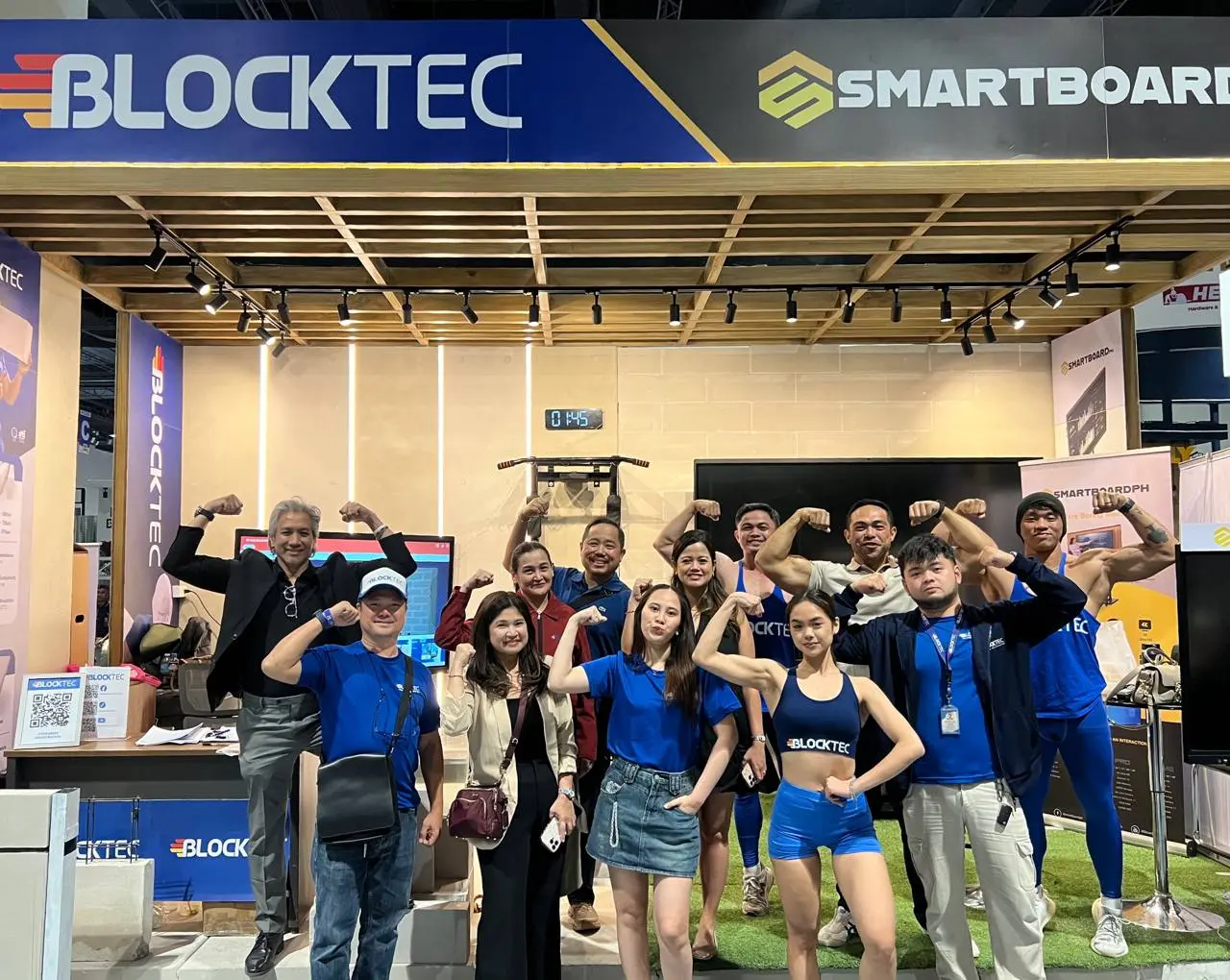
Mission: Lakas
To empower every Filipino to build a strong and sustainable world by providing advanced technical solutions in the construction industry.
This mission shapes how we develop our products, assist construction professionals and guide customers from material selection to proper installation.
Quality You Can Verify:
DTI-BPS PS Certification
Blocktec is the first Autoclaved Aerated Concrete (AAC) importer in the Philippines to receive the DTI's Philippine Standard (PS) Certification Mark Q-6620, ensuring that it complies with the Philippine National Standards for quality and safety.
The PS Mark provides customers and construction professionals with independent assurance that the covered AAC products conform to the applicable Philippine National Standards for quality and safety. For AAC products in the Philippines, the relevant standards include specifications for unreinforced AAC masonry units and autoclaved aerated concrete.
From Europe to the Philippines: A Brief History of AAC
Autoclaved aerated concrete was developed in Sweden during the 1920s by Swedish architect and inventor Dr. Johan Axel Eriksson. The process was patented in 1924, and industrial production began in Sweden in 1929.
AAC was developed in response to the need for a building material that could combine strength, low weight, thermal insulation, fire resistance and workability. Its performance led to wider adoption across Europe and, eventually, construction markets around the world.
Nearly a century later, AAC continues to support modern residential, commercial, healthcare, educational and industrial construction. Blocktec brings this proven European building technology to Philippine projects, supported by local technical knowledge and customer assistance.
Who We Serve
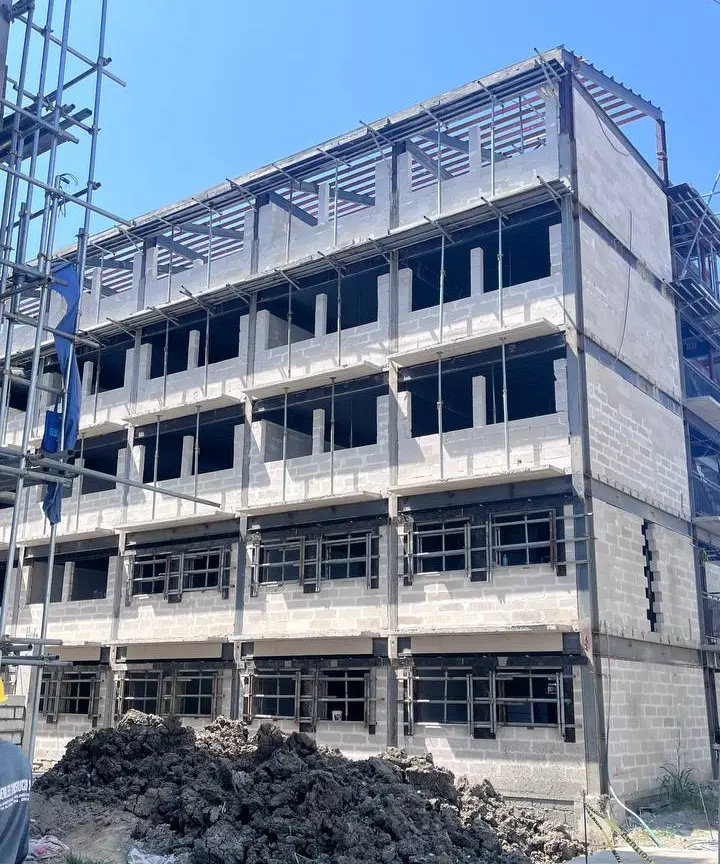
Blocktec supports a wide variety of users and different kinds of projects.
Homeowners
Homeowners who want comfortable, durable and cost-efficient homes
Architect & Engineers
Architects and engineers who need dependable product information and technical coordination
Contractors
Contractors and project managers who want faster wall progress and more predictable site execution
Developers
Developers who evaluate construction systems based on scalability and total project value
Institution & Industrial Clients
Organizations and commercial clients that need walls with fire, thermal, and sound insulation capabilities
Government Agencies
Government initiatives that prioritize cost-effectiveness, safety, and reliable DTI-certified AAC blocks and panels.
What Are AAC Blocks?
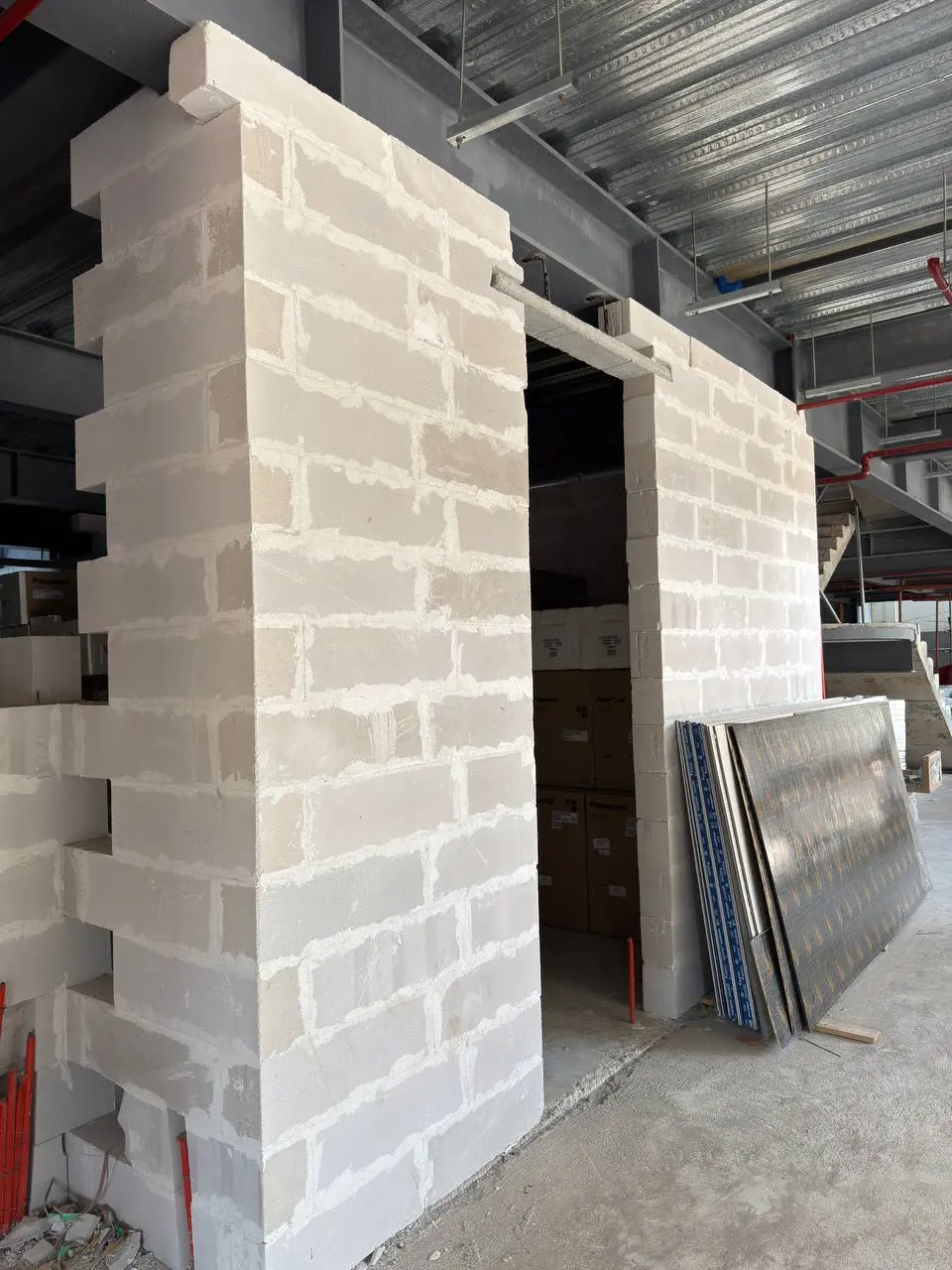
AAC blocks are lightweight, precast concrete masonry units manufactured from mineral-based materials such as quartz sand, cement, lime, gypsum and water, with a small amount of aluminum powder used as an expansion agent.
During manufacturing, the mixture develops millions of tiny air pockets. It is then cut into precise sizes and cured with high-pressure steam inside an autoclave. This controlled process produces a stable, lightweight material with a useful combination of strength, insulation, fire performance and workability.
AAC blocks are commonly used for exterior walls, interior partitions, fire-rated walls and perimeter walls, subject to the project's architectural and engineering requirements.
Why More Filipino Builders Are Choosing AAC?
Lightweight Wall System
AAC is considerably lighter than conventional dense concrete masonry. Its lower weight makes blocks easier to handle and can reduce the wall system's dead load. The structural effect and potential savings should always be evaluated by the project's licensed structural engineer.
Mabilis ang Installation
The larger, accurately sized units cover more wall area per block. AAC can also be cut and shaped for openings and building services. When installed by a trained team using the correct tools and thin-bed adhesive, these features can shorten wall installation time.
Better thermal insulation
AAC's cellular structure slows heat transfer through the wall. In the Philippine climate, better-performing wall envelopes can help improve indoor comfort and reduce cooling demand when combined with appropriate building orientation, roofing, glazing, ventilation and air-conditioning design.
Frequently Asked Questions About Blocktec and AAC
Got questions about AAC Wall System and Blocktec?
Blocktec provides AAC blocks, reinforced AAC wall panels, AAC lintel beams, compatible installation materials and technical guidance for residential, commercial, institutional and industrial projects.
Blocktec is a pioneering AAC company in the Philippines to receive the DTI-BPS Philippine Standard Certification Mark under PS License No. Q-6620. The certification indicates that the covered products conform to the applicable Philippine National Standards for quality and safety.
AAC blocks can be used for exterior walls, interior partitions, fire-rated walls, perimeter walls, renovations and other non-load-bearing wall applications, subject to the project's plans, specifications and engineering requirements.
The better material depends on the project's requirements. Compared with conventional concrete hollow blocks, AAC generally offers lower weight, faster installation, thinner adhesive joints and better thermal insulation. A fair cost comparison should consider the complete installed and finished wall, not only the price per piece. Read more
Yes. Blocktec provides technical guidance to help customers and project teams select suitable AAC products, estimate quantities and understand recommended installation practices.
Prices may vary according to size and compressive strength (psi). See the updated pricelist.