
Imagine coming home on a scorching summer day. Outside, the heat is thick and oppressive. But the moment you step inside, you are greeted by a refreshing, natural coolness—without your air conditioning unit running at full blast.
While this sounds like a luxury, it is actually a standard benefit of modern building science. The secret lies in your walls.
For decades, traditional concrete hollow blocks (CHB) and clay bricks have been the default building materials in tropical countries like the Philippines. However, these materials are dense and act as "thermal bridges," absorbing solar heat all day and radiating it directly into your living spaces.
If you want to build a cooler, more comfortable, and energy-efficient home, Autoclaved Aerated Concrete (AAC) blocks are the ultimate solution. Here is a deep dive into the thermal science of how AAC blocks keep building temperatures down and slash your monthly utility bills.
1. The Science of Millions of Microscopic Air Pockets
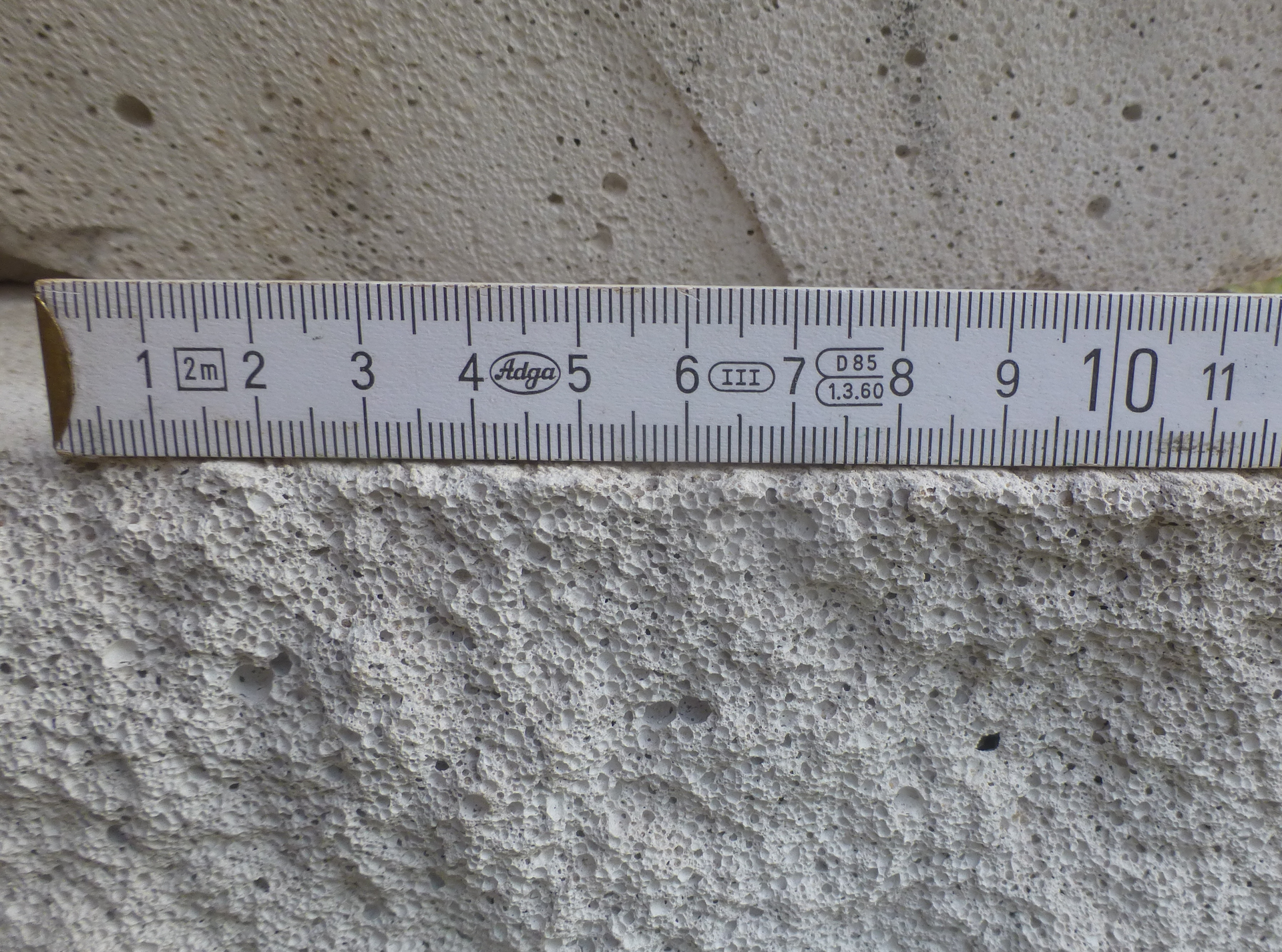
To understand why AAC performs so well, we have to look at its molecular structure.
During the manufacturing process, a slurry of cement, lime, silica sand, and water is mixed with an aluminum expansion agent. This causes a chemical reaction that generates hydrogen gas, creating millions of tiny, evenly distributed microscopic bubbles. When the material is cured in a high-pressure steam autoclave, the hydrogen escapes, leaving behind a solid calcium silicate hydrate structure where 60% to 85% of the total volume is comprised of trapped air voids.
Because still air is an exceptionally poor conductor of heat, these trapped air pockets act as millions of natural insulators. Heat trying to travel through the wall is stopped dead in its tracks by this continuous cellular barrier.
2. 3 to 5 Times Better at Blocking Heat (Low Thermal Conductivity)
In engineering, a material’s ability to conduct heat is measured by its thermal conductivity (k-value). The lower the k-value, the better the material is at insulating.
AAC’s cellular structure gives it an incredibly low thermal conductivity compared to traditional materials:
- AAC Blocks: Range from 0.08 to 0.25 W/m·K depending on the dry density.
- Solid Concrete Masonry: Can exceed 1.4 to 1.7 W/m·K.
What do these numbers mean in real life? AAC walls block heat flow 3 to 5 times more effectively than clay brick walls, and perform exponentially better than standard concrete block walls.
3. Outstanding Thermal Resistance (R-value)
Thermal resistance, or R-value, measures a wall system’s overall resistance to heat flow. The higher the R-value, the less heat penetrates your home.
Because of its low thermal conductivity, AAC walls boast high thermal resistance:
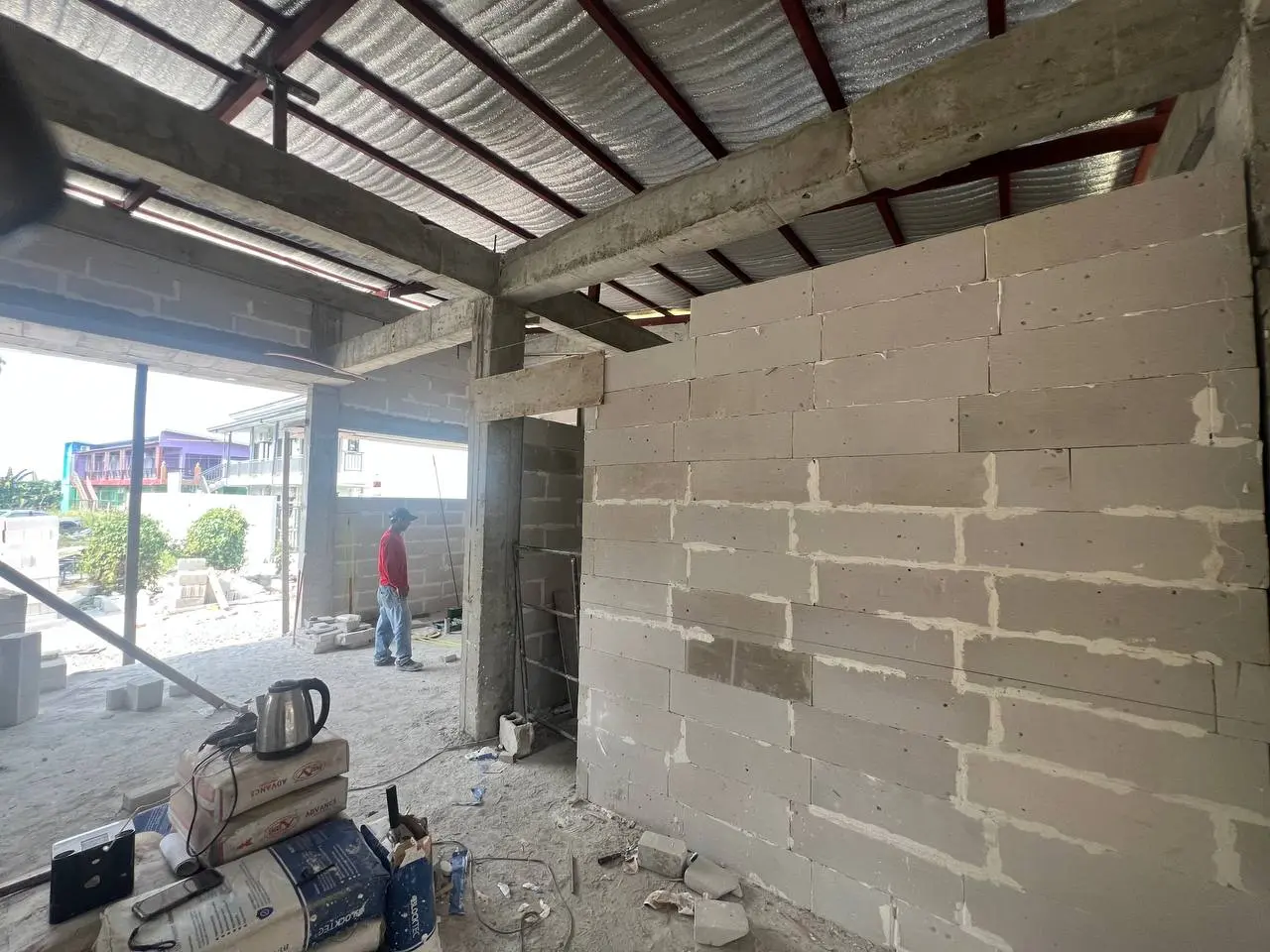
- A standard 8-inch (200mm) AAC block wall provides a steady-state R-value of approximately 10.0.
- By comparison, a standard concrete hollow block (CHB) wall of similar thickness typically yields an R-value of just 1.0 to 2.4.
This means a standard AAC wall provides up to four to ten times the thermal resistance of traditional concrete masonry, keeping summer heat where it belongs—outside.
4. The "Thermal Mass" Shift (Dynamic Heat Delay)
While static insulation (R-value) is important, a building’s actual performance under changing daily temperatures depends on its thermal mass.
AAC possesses a unique thermodynamic behavior. It combines high thermal resistance with an optimum heat storage capacity. When the sun beats down on an AAC wall during the hottest hours of noon and afternoon, the wall doesn't instantly transfer that heat inside. Instead, it absorbs and temporarily stores the thermal energy.
This creates a phenomenon known as the Dynamic Benefit for Massive Systems (DBMS). The heat transfer is significantly delayed (often by several hours). By the time the stored heat finally works its way to the interior surface, the sun has already set, outdoor temperatures have dropped, and the stored heat can be naturally dissipated without putting a heavy load on your cooling systems.
5. Real Savings: Up to 30% Off Your Aircon Bill
By naturally dampening indoor temperature swings and keeping rooms cooler for longer, AAC significantly reduces the load on your Heating, Ventilation, and Air Conditioning (HVAC) systems.
According to multiple building performance simulations and real-world project studies, homes constructed with AAC walls can reduce cooling energy demands by up to 25% to 30%. Over the lifespan of your building, these monthly energy savings accumulate to completely offset the initial material investment.
Pro-Tip for Builders: Avoid the Moisture Trap
While AAC is an insulating powerhouse, its performance can be compromised by moisture. Because AAC is highly porous, it can absorb water if unprotected.
Research shows that moisture content has a significant impact on thermal conductivity. For example, when an AAC block becomes damp (reaching a high moisture content), its thermal conductivity can increase up to 3.5 times compared to its dry state.
To maintain maximum cooling performance:
- Always seal exterior walls with a high-quality, breathable elastomeric paint, skim coat, or stucco to prevent rain penetration.
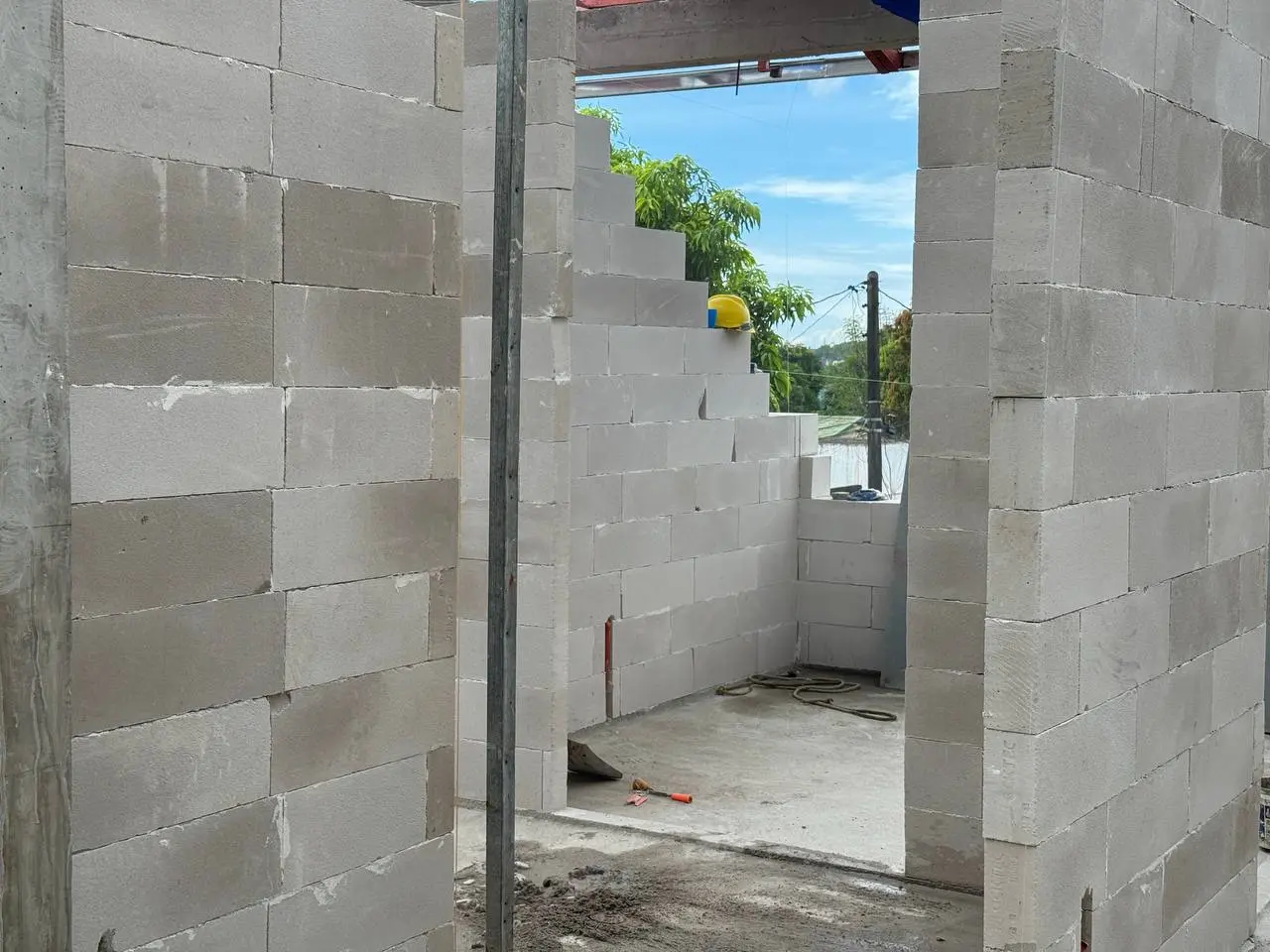
- Use specialized thin-bed adhesive mortar (2mm to 3mm joints) rather than thick cement-sand mortar. This maintains a uniform thermal envelope and prevents linear thermal bridging (heat leaking through thick mortar joints).
Conclusion
If you are planning to build a home in a warm or tropical region, choosing AAC blocks is one of the smartest, most sustainable moves you can make. By harnessing the power of trapped air, AAC blocks act as a permanent, maintenance-free thermal shield. You get a home that stays naturally comfortable, remains structurally safe, and actively pays you back in energy savings every single month.
Cited Researches & Scientific References
The thermal and energy performance characteristics detailed in this article are fully grounded in the following comprehensive scientific studies and technical literature:
- U.S. National Bureau of Standards (NBS) & Department of Energy (DOE):
- A Review of Autoclaved Aerated Concrete Products (NIST Technical Series). This foundational review analyzes the density, physical structure, thermal conductivity (ranging from 0.08 W/m·K to 0.21 W/m·K based on density), and energy conservation performance of AAC under varying climatic conditions.
- Oak Ridge National Laboratory (ORNL) - Buildings Technology Center:
- Shukla, N., Elliott, D., Urban, B., Fallahi, A., & Kosny, J. Thermal and Energy Performance of Autoclaved Aerated Concrete (AAC). This study verified the steady-state thermal conductivity of AAC-4/500 concrete samples and modeled wall cases across multiple climates to prove thermal performance equivalents.
- Kosny, J. Whole Wall Performance Analysis of Autoclaved Aerated Concrete. A three-year collaborative research project using ASTM C-518 hot-box testing and finite difference computer modeling (Heating 7.2) to evaluate steady-state R-values and validate the "Dynamic Benefit for Massive Systems" (DBMS) of solid AAC walls.
- Magazine of Civil Engineering (2020):
- Vatin, N., Korniyenko, S.V., Gorshkov, A.S., Pestryakov, I.I., & Olshevskiy, V. Actual Thermophysical Characteristics of Autoclaved Aerated Concrete. Experimental verification of thermal conductivity and dry heat transfer characteristics across different density brands (D400 & D500), showing consistent performance in warm/hot climates.
- International Thermal & Moisture Performance Studies:
- Effect of Moisture and Temperature on Thermal Conductivity of G2/04 Class Autoclaved Aerated Concrete. This study experimentally mapped the exponential impact of moisture content (0% to 41.5%) and temperature (0°C to 45°C) on AAC's thermal conductivity, developing regression formulas for building energy conservation.
- European Autoclaved Aerated Concrete Association (EAACA):
- Net-Zero Roadmap. Highlights the thermodynamic performance of cellular structures in creating airtight building envelopes, achieving low thermal transmittance (U-values), and preventing linear thermal bridging.