
The Philippines should prepare for a prolonged El Niño. On September 23, PAGASA said a strong El Niño is already active and could intensify to very strong between September and December 2026, then persist through the first half of 2027. The agency expects warmer temperatures and below normal rainfall across much of the country, while warning that Habagat and tropical cyclones can still bring heavy rain to some areas. (pagasa.dost.gov.ph)
The warning follows a Climate Impact Lab report projecting 451,000 additional heat related deaths worldwide from June 2026 through February 2027, compared with the same months in an average year. This is a model projection, not a count of deaths that have occurred or a certainty about what will happen. The report’s detailed methods have yet to be published in a peer reviewed journal. (Climate Impact Lab)
For Filipino homeowners, architects and contractors, the question is practical: how do we protect people on site and reduce heat inside the buildings we are constructing?
Protect the people building today
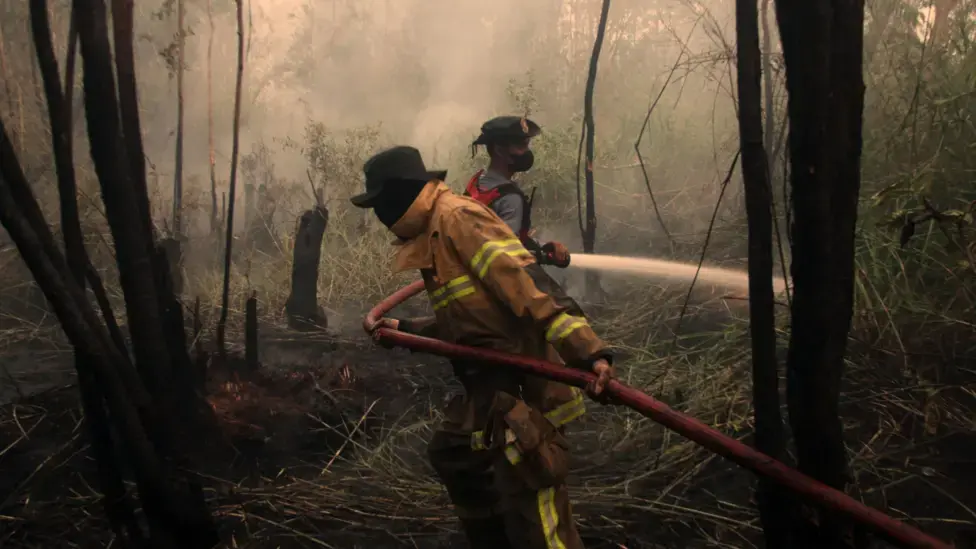
Construction crews often work outdoors and perform heavy physical tasks, both of which increase heat exposure. Site managers can check PAGASA’s local forecasts and heat index, schedule demanding work for cooler hours where feasible, and provide accessible drinking water, shaded rest areas and regular breaks. New and returning workers need time to adjust to hot conditions. Crews should know the signs of heat illness and have a clear plan for getting medical help; heatstroke is a medical emergency. (pagasa.dost.gov.ph)
Water planning matters too. PAGASA warns that prolonged rainfall deficits could strain supplies, yet a drier season does not rule out sudden heavy rain. Construction schedules and site drainage should account for both risks. (pagasa.dost.gov.ph)
Design for the heat a home will face later
A comfortable building depends on the whole design: roof, walls, windows, shading, air sealing and ventilation. Start by looking at where sunlight enters and which rooms overheat. Shade exposed windows, review roof insulation and reflective finishes, and select wall systems as part of an overall cooling plan. The U.S. Department of Energy identifies insulation, efficient windows, shading and air sealing as ways to limit heat gain and cooling demand. (Department of Energy)
Blocktec’s 2026 Company Profile lists thermal conductivity of approximately 0.16–0.26 W/m·K for its AAC wall panels & blocks. That makes thermal performance a useful question to raise when comparing wall specifications. It does not, by itself, establish a fixed percentage saving on air conditioning: results depend on the complete building design, installation, climate and how occupants use the space.
Thermal Performance of Construction Materials
Source: https://www.designingbuildings.co.uk/wiki/Thermal_conductivity
For a new project, ask the design team to compare wall assemblies alongside roof and window options. For an existing home, begin with the rooms that get hottest and address obvious sun exposure and air leaks before assuming a wall replacement is the best first investment.
Prepare for more than one forecast
El Niño raises the risk of heat and dry spells, but it does not mean every Philippine location will have the same weather. PAGASA specifically warns that heavy rainfall remains possible during the event. Builders should follow updated local advisories rather than use a seasonal forecast as a day to day construction schedule. (pagasa.dost.gov.ph)
The immediate priority is safer work in hot conditions. The lasting opportunity is to build homes and workplaces that stay more comfortable when temperatures rise. For projects considering AAC, Blocktec AAC Specialists can help review the wall application and installation details as part of that broader design discussion.